
Cântare

Cântar electronic pentru chei auto, mini bijuterii, cântar pentru bijuterii din aur, instrument de cântărire miniaturală, precizie 0,01g, cântar de palmier

Cântar electronic en-gros de producători, 0,01G, cântar electronic mic, cântar electronic pentru bijuterii, cântar electronic CS, cântar de bancă pentru bucătărie

Cântar electronic portabil pentru bagaje, 50 kg/10 g, cântărește de călătorie cu iluminare din spate, cântar electronic de călătorie suspendat

Cantar digital de bucatarie 3000 g/ 0,1 g Cantar mic pentru bijuterii Cantar digital pentru alimente Cantar digital gram si Oz cu LCD/ Tara
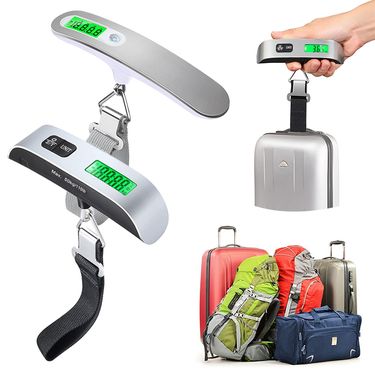
Cântar digital LCD portabil, cântar suspendat pentru bagaje, valiză, greutate bagaje, cântar de călătorie cu curea pentru instrument electronic de greutate 50 kg/110 lb

1buc Cantar negru pentru alimente 10 kilograme Cantar digital de bucatarie grame si uncii Cantar precis de 1 g usor de curatat din otel inoxidabil

Cântar digital suspendat Instrument de acasă 50Kg/110lb Cântar electronic LCD pentru pescuit Bagaje de călătorie portabil
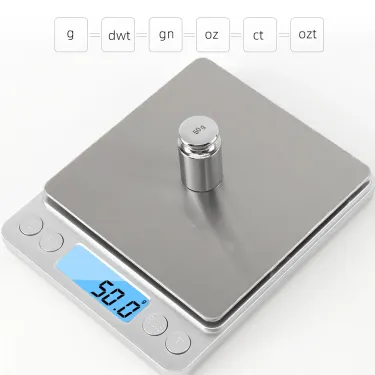
Cântar electronic LCD cu afișaj mini digital pentru bijuterii, 3 kg, cântar de bucătărie, 3000 g, 0,1 g

Cantar digital de bucatarie Afisaj LED 5kg/1g Panou din otel inoxidabil Cantar electronic Bijuterii pentru casa Alimente Gustări Cântărire Instrumente de coacere

Cântar de bucătărie cu reîncărcare USB 500 g/0,1 g LCD cu măsurare digitală a alimentelor cu linguriță pentru făină Mini instrument de bucătărie pentru cafea cu lapte

Cântar electronic digital de bucătărie pentru cântărire alimentară, nou-venit, pentru copt. Poate fi cântărit între 1 și 3000 de grame.

Mini cântar 500g/300g/200g/100g X 0.01g/0.1g Precizie Electronic Digital Precizie Bijuterii Cântar de buzunar Balanță pentru aur
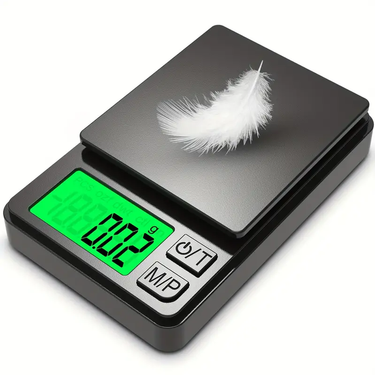
Cantar de buzunar de precizie 1000 g X 0,01 g - Cantar digital gram, alimente, bijuterii, uncii/grane cu LCD iluminat din spate - Mini cantar pentru calatorii

3 kg/0,1 g Cantar digital de cafea de înaltă precizie, greutate de bucătărie, grame, cântar portabil cu cronometru Espresso alimentar

Cântar digital de precizie pentru bijuterii 0,001 g Cântar electronic de cântărire alimentat prin USB de 20 g LCD Mini balanță de laborator Cântar electronic de 0,001 g

Cântar electronic portabil de 110lb/50kg, afișaj digital LCD, cântar electronic, greutate valiza de călătorie, cântărește bagaje, instrument de echilibrare a greutății
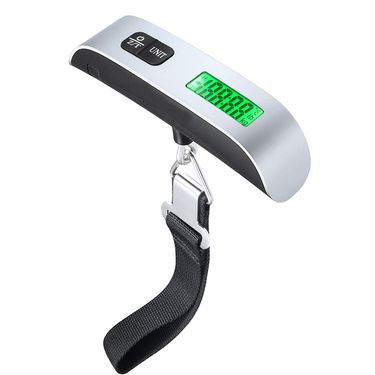
Cântar digital electronic de 50 kg, 10 g, balanță pentru bagaje de bucătărie, cântar agățat, greutate pentru valiză, cântar de călătorie, instrument de greutate pentru bagaje
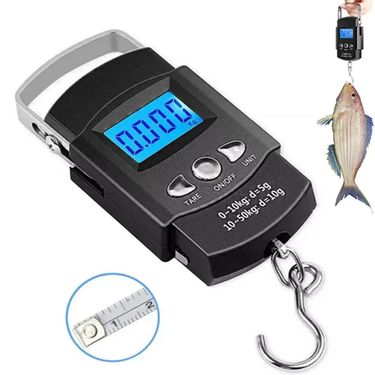
Cântar de mână electronic portabil LCD de 50 kg/10 g Cântar suspendat de călătorie cu bandă de măsurare retractabilă de 100 cm lungime
Weighing Scales: When Weight Becomes a Working Requirement
You usually don’t think about weight until it becomes a problem. A package gets rejected by a carrier. Inventory numbers don’t add up. A load feels manageable—until it exceeds limits. In these situations, a weighing scale is no longer a household convenience, but a working tool that supports decisions, compliance, and safety.
Tool-oriented weighing scales are designed for scenarios where weight affects cost, transport, workflow, or operations. They are built for clarity, repeatability, and durability—very different priorities from personal or domestic scales.
When You Need a Scale for Shipping and Logistics
If you ship parcels regularly, guessing weight is not an option. A shipping scale helps you verify package weight before labels are printed or carriers are booked. This avoids unexpected fees, rejected shipments, or manual rechecks at dispatch points.
Shipping scales are commonly used in warehouses, small businesses, fulfillment rooms, and logistics counters. They are optimized for boxed items, irregular packages, and repeat measurements throughout the day. Stability and fast readings matter more than compact design.
In many workflows, weighing happens alongside labeling, scanning, and documentation, making the scale part of a larger operational setup rather than a standalone item.
Industrial Weighing Scales in Heavy-Duty Environments
In industrial settings, weight often determines whether a process is safe or compliant. An industrial weighing scale is used to measure large loads, raw materials, pallets, or assembled components—often in environments where dust, vibration, or constant movement are present.
These scales are built to handle higher capacities and tougher conditions. You may use them on factory floors, loading bays, production lines, or storage areas. Accuracy still matters, but so does durability, surface strength, and resistance to wear.
In these environments, weighing is often integrated into quality control, inventory tracking, or process verification rather than occasional checks.
Commercial and Retail Weighing Scenarios
In commercial environments such as supermarkets, markets, or food counters, weighing directly affects pricing and customer trust. Electronic retail scales are used to measure goods in real time, often combined with displays, pricing systems, or point-of-sale workflows.
Here, the scale must provide clear readings that are easy to verify by both staff and customers. Consistency and visibility are key, especially when weight determines transaction value.
These tools are designed for frequent use and quick operation, supporting daily business rather than personal measurement.
How Tool Scales Differ from Household Scales
It’s important to separate tool-oriented scales from everyday household products. A kitchen scale, for example, is designed for small quantities, recipes, and short-term use on a countertop. A body weight scale focuses on personal tracking rather than operational accuracy or load handling.
By contrast, working scales prioritize load capacity, surface size, and stability. They are meant to support processes, not habits. Using a household scale in a professional or logistical context often leads to inaccurate results or premature wear.
Understanding this distinction helps you choose equipment that matches your actual use case rather than forcing a tool into the wrong role.
Weighing as Part of a Broader Tool Setup
In many technical environments, weighing is just one part of verification. You might measure weight alongside dimensions, alignment, or electrical status. For example, during equipment checks or setup, weighing can be used in combination with electrical test equipment to confirm that systems are operating within expected limits.
In these workflows, weighing scales function as reference tools—providing one data point among several that support safe and consistent operation.
Choosing a Weighing Scale Based on Your Scenario
When selecting a weighing scale, the most important factor is not maximum precision, but suitability. Consider what you are weighing, how often, and in what environment. Shipping rooms, industrial floors, and retail counters all demand different designs and capacities.
A well-matched weighing scale supports your workflow quietly. It reduces rechecks, prevents disputes, and helps you make decisions with confidence rather than assumption.
 4.4 din 5 bazat pe 9,249 recenzii