
Plant Cages & Supports

Garden Supplies Hydroponic Plant Growth Tent 600D Oxford Cloth Indoor Cultivation

U-shaped Plant Climbing Trellis, 80 * 120cm Outdoor Vertical Garden Arch Grille, With Climbing Net, Orderly Growth Of Cucumbers, Pumpkins, Grapes, Etc
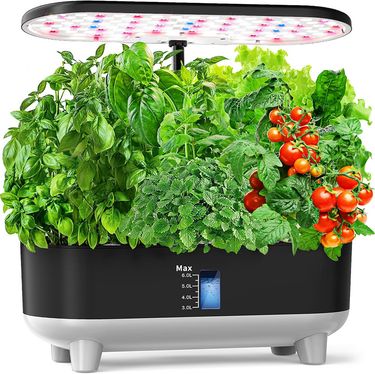
Intelligent Hydroponic Planting Machine Intelligent Flower Pot Indoor Soilless Cultivation Artifact Indoor Fill Light Stand

120 * 120 * 60cm Square Plant Climbing Frame, Climbing Pole, Cage Shaped Support Frame, Outdoor Garden Pavilion Shaped Rattan Frame

Round Fabric Grow Bags Economic Breatheable Garden Planting Containers Pot for Flowers
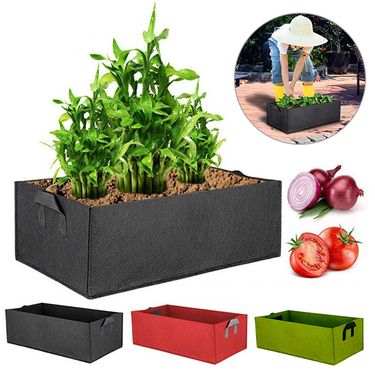
Felt Grow Bag Rectangle Planting Nursery Pot Outdoor Garden Flower Planting Bag with Handle Garden Vegetable Planting Container

Grow Tent Trellis with Hooks Net Mesh Trellis Heavy-Duty Elastic Plant Support Net for Indoor Grow Tent Room Low Stress Training

Intelligent Hydroponic Planting Machine Lazy Indoor Family Vegetable Planting Machine Full Spectrum Household Hydroponic Planting Machine

Outdoor Garden Stake, 40cm Long, Set Of 40, DIY 80/120/160/cm Tomato Stake, Plastic Coated Aluminum Alloy Plant Stake Support Rod

Intelligent Hydroponic Planting Machine With WIFI Home Vegetable Hydroponic Equipment Household Fill Light Soilless Cultivation Machine

Intelligent Hydroponic Planting Machine Indoor Full Spectrum Plant Vegetable Fill Light Soilless Cultivation Indoor Vegetable Planting Machine

Intelligent Hydroponic Planting Machine Household Fully Automatic Vegetable Planting Machine Soilless Cultivation Indoor Vegetable Planting

97 * 120cm Outdoor Climbing Plant Garden Fence, Green Horticultural Climbing Trellis, Flower Growth Support Frame

Smart Planting Machine Indoor Plant Planting Full Spectrum Fill Light Vegetable Planting Creative Gift Gift

Hydroponic Planting Machine Indoor Hydroponic Vegetable Planting Machine Full Light Household Automatic Vegetable Planting Machine Fill Light

Hydroponic Planting Machine Indoor Home Fully Automatic Soilless Cultivation Hydroponic Vegetable Full Spectrum Fill Light

Hydroponic Vegetable Growing Machine Hole Hydroponic Planting Machine Soilless Cultivation Intelligent Vegetable Plant Growth Machine

Home Garden Plant Machine Hydroponic Planting Machine Intelligent Planting Machine Indoor Multi Functional Planting Seedling Fill Light

Intelligent Hydroponic Planting Machine Soilless Cultivation Vegetable Growing Machine Hydroponic Vegetable Fill Light Home Vegetable Growing Artifact

120*160cm, Outdoor Garden Arched Plant Climbing Frame With Climbing Vine Net, Cucumber, Pumpkin, Fruit And Vegetable Rack
The Tomato Cage: For Heavy, Determined Growers
Tomatoes are the most common candidate for support, but they are also the most demanding. A flimsy wire ring will not hold a fully grown indeterminate variety laden with fruit. You need a heavy duty tomato cage—thick-gauge metal, wide at the base, tall enough to accommodate a plant that can reach six feet.
The cage works by enclosing the plant completely. The branches grow through the rings, which hold them upright without the need for constant tying. This is the set it and forget it of plant supports. Install it when the plant is young, and it will grow into the cage naturally. To protect your emerging seedlings from pests before they reach this stage, repellents offer a gentle deterrent.
The Single Stake: For Focused, Vertical Growth
If you are growing a single stem plant—a standard rose, a chilli pepper, a young fig tree—a garden plant support stake is the most efficient solution. One straight rod driven into the soil, one soft tie attaching the stem. That is it.
The key is the tie. Use a soft, adjustable plant tie that expands as the stem thickens. A rigid wire will cut into the bark over time. An adjustable plant tie with buckle gives the stem room to grow while keeping it perfectly vertical. For those supporting vining vegetables against the fence, garden netting provides an excellent climbing surface.
The Trellis: For Climbers and Spreaders
Climbing plants—sweet peas, clematis, runner beans, cucumbers—need a surface to cling to. A garden trellis support for climbing plants provides that surface. The plant sends out tendrils that wrap around the trellis rungs, pulling itself upward without any help from you.
Trellises work best when installed before the plant begins its main growth spurt. a trelli placed after the plant is already sprawling is difficult to thread through without breaking stems. Plan ahead.
The Moss Pole: For Indoor Climbers
Indoor climbing plants like monstera, pothos, and philodendron grow differently from outdoor climbers. They produce aerial roots that seek out rough, moist surfaces to attach to. a mos pole for indoor climbing plants replicates this natural environment.
The pole is wrapped in moss or coir, which the aerial roots can penetrate. Keep the pole slightly damp, and the roots will grip it naturally. The result is a plant that grows upward with large, mature leaves, rather than trailing downward with smaller ones.
The Plant Support Ring: For Floppy Perennials
Peonies, delphiniums, dahlias—these plants grow tall and top-heavy. A single stake often fails because the stem bends above the tie point. The solution is a perennial plant support ring: a metal ring on three legs that surrounds the plant.
Install the ring early in spring, before the plant has grown more than a few inches. The stems grow up through the ring, which holds the entire clump together. By flowering time, the support is invisible, hidden within the foliage. For extreme weather protection during early growth, plant covers can shield your tender perennials from frost.
- Bamboo: 1-2 seasons, best for annuals and light climbers, watch for splitting in dry weather
- Metal (coated): 5+ seasons, best for heavy perennials and tomatoes, watch for rust if coating chips
- Plastic: 2-3 seasons, best for indoor plants and light annuals, becomes brittle in sun
- Wood: 3-5 seasons, best for borders and decorative obelisks, watch for rot if untreated
Match the support to the plant's natural growth habit. A tomato wants to be enclosed. A sweet pea wants to climb a vertical surface. A peony wants to be held together as a clump. Give each plant the support it was designed for, and it will reward you with effortless growth.
A plant cage or support is not a cage at all. It is a framework for flourishing.